Insights
Basics

Isaac Tanui
Jan 17, 2026
A personal brand website isn’t about showing off — it’s about building trust at scale. Whether you’re a founder, consultant, creative, or service-based business, your website should make people think:
“I trust this person before I even meet them.”
Here’s how to do that properly.
1. Start With One Clear Identity
Your website should answer three questions in 5 seconds:
Who are you?
Who do you help?
Why should anyone care?
Tip:
Avoid generic titles like “Creative Professional” or “Consultant”. Be specific:
“I help small businesses turn ideas into profitable video content.”
Clarity beats creativity every time.
2. Design for Credibility, Not Flash
Overdesigned sites often look untrustworthy.
What works:
Clean layout
Plenty of white space
1–2 brand colors
Easy-to-read fonts
What hurts trust:
Auto-play videos
Too many animations
Stock photos that scream “fake”
If it feels calm, it feels credible.
3. Put Your Face (and Voice) Front and Center
People connect with people — not logos.
Do this:
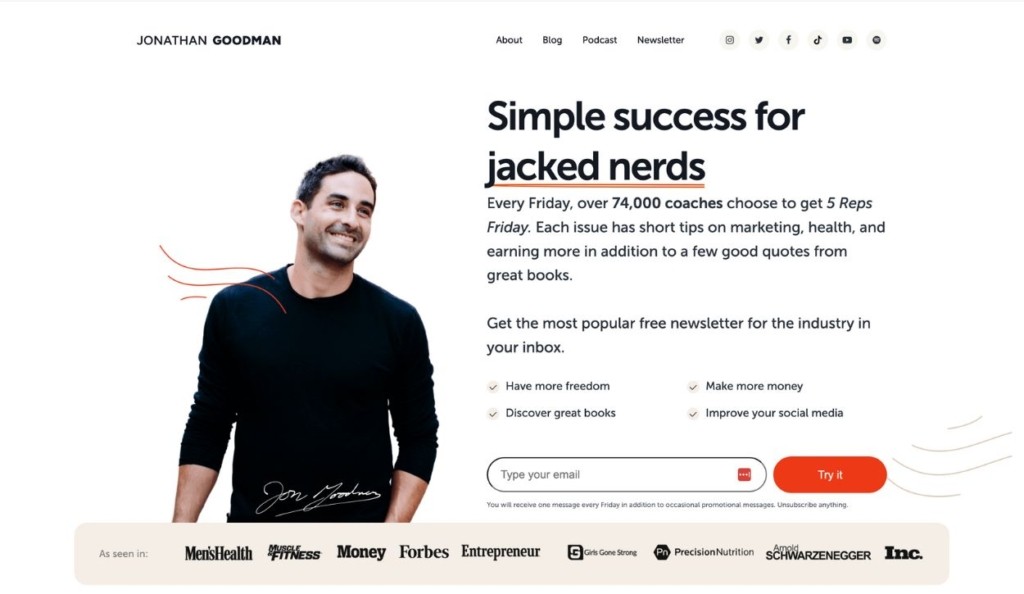
Use a real photo (not overly edited)
Write in first person (“I”, not “we” unless you truly are a team)
Add a short personal story: why you do what you do
This doesn’t weaken professionalism — it strengthens it.
4. Make Your Value Obvious Above the Fold
The top section of your homepage should clearly state:
Your outcome
Your audience
Your differentiation
Simple formula:
I help [who] achieve [result] without [pain point].
No scrolling required to understand your value.
5. Show Proof Early (Even Small Proof)
You don’t need big brands to build trust.
Use:
Client testimonials
Case studies
Metrics (“50+ projects delivered”)
Logos of collaborators or platforms you’ve worked with
No proof yet?
Show:
Behind-the-scenes process
Personal projects
Thought leadership content
Momentum matters more than perfection.
6. Create a Strong “About” Page (Not a Resume)
Your About page should build relatability, not list credentials.
Structure it like this:
The problem you saw
Why it bothered you
Why you’re qualified to solve it
What you believe differently from others
People buy beliefs before they buy services.
7. Make It Easy to Take the Next Step
Every page should guide visitors toward one clear action:
Book a call
Subscribe
Download a guide
Send an enquiry
Avoid cluttering with too many CTAs — confusion kills conversions.
8. Publish Helpful Content (Not Sales Pitches)
A blog, insights page, or resources section builds authority fast.
Focus on:
Explaining common mistakes
Answering beginner questions
Sharing lessons learned
Teaching = trust.
Trust = sales (eventually).
9. Optimize for Mobile First
Most people will see your site on their phone.
Check:
Text readability
Button spacing
Load speed
Navigation simplicity
If it’s annoying on mobile, it’s dead on arrival.
10. Keep It Human
The biggest mistake businesses make with personal brand websites?
Trying to sound “corporate”.
Write like you speak.
Be honest.
Be useful.
Be consistent.
People don’t connect with perfection — they connect with real.
Bottom Line
A personal brand website isn’t about being famous.
It’s about being trusted.
If someone lands on your site and leaves thinking:
“This person gets it.”
You’ve already won.